Integrated System ~ Field Notes ~ 2 (Gastronomy)
This, a quaint Canadian home wherein an artisanal sourdough bakery operates, is an integrated system. The property and bread have multiple functions, feeding off of each other, yet there is unity. No spare parts, no hopes for a home run, no waste. A rather innovative (yet timeless) set up in the world of gastronomy.

In bone broth lies the emblem of “no waste”. You didn’t waste the animal, for you harnessed the blood, skin, bones, and organs. You did what Nature does. And in doing so, you created an integrated system on the plate and subsequently in your body. The benefits go beyond collagen (protein), minerals, and vitamins.

A type of Korean 해장국, made of pork bone broth, stripe, coagulated blood, and various sprouts, herbs, and spices.
Every time you isolate, you risk de-integration. We isolated not just MSG but also collagen and even protein.
The Korean soup dishes like 곰탕, 해장국, 청국장, & 미역국 are integrated; they are complete. They communicate with the body not just via taste, but texture, temperature, and vibes.
Delicious food grown within an integrated nature system, a peaceful home, and transportation are the “goods and services” that AI and humans must prioritize, but in a personal, decentralized fashion.
If government is to exist at all, it should be to allow for the above to happen seamlessly. Clear the runway and shut up.
Banks and multinationals, on balance, make the world worse off. We must reimagine prosperity.
This basil panna cotta with tomato jam and honey mascarpone is something I must try at least once in my life. An integrated system through and through.
A fruit, leaf, or root means nothing without context. Its some species, yes, but the way it interacts with its environment, what variety/cultivar/etc it is … all of this is so crucial that saying you need “X chill hours” for “apple” to fruit properly is incomplete and misleading. It treats it as something that exists outside of an integrated system. A Fuji in the Himalayas and a Fuji in central Japan are living different lives.
The fragmented mind wants a rule: “apples need 800 chill hours.” But altitude, soil biology, humidity, neighbouring species, wind exposure, and a hundred other threads fold into whether that tree fruits well or not.
It’s the same pattern everywhere. A nutrient on a label tells you nothing about how your body actually absorbs it in the context of the whole meal, your gut flora, your unique configuration. The isolated fact functions as a kind of blindness.
We are integrated systems, eating integrated systems, living in integrated systems. That is the reason every prescription, in every domain, eventually falls flat on its face.
This is was my very first dish during my very first trip to Japan. It’s a beef cutlet (牛カツだ). Here, it is presented as a little integrated system. That is to say, the sharp and light qualities of tofu, lotus root, radish, and lettuce perfectly counter-balanced the dense heaviness of the cutlet, creating a harmonized whole. This is also an example of what I call integrated gastronomy.

This is mung beans and seaweed cooked in ox bone broth, seasoned with turmeric, cumin, thyme, rosemary, and sea salt … with cabbage for extra texture.

Plant-based and animal-based foods were always meant to work in perfect unison. Dairy elevates the plant, like milk does to cacao. Similarly, bone broth elevates the plant. Also honey
More generally, the animal elevates the plant, and vice versa. This is nature — integrated — where everything has function, symbiotic, in a flawless turnover. Waste approaches zero. This is how all of life, including food, was meant to be approached.
And, when your food has enough water content you don’t need to walk around sipping water all day. Real food nourishes and hydrates at the same time.
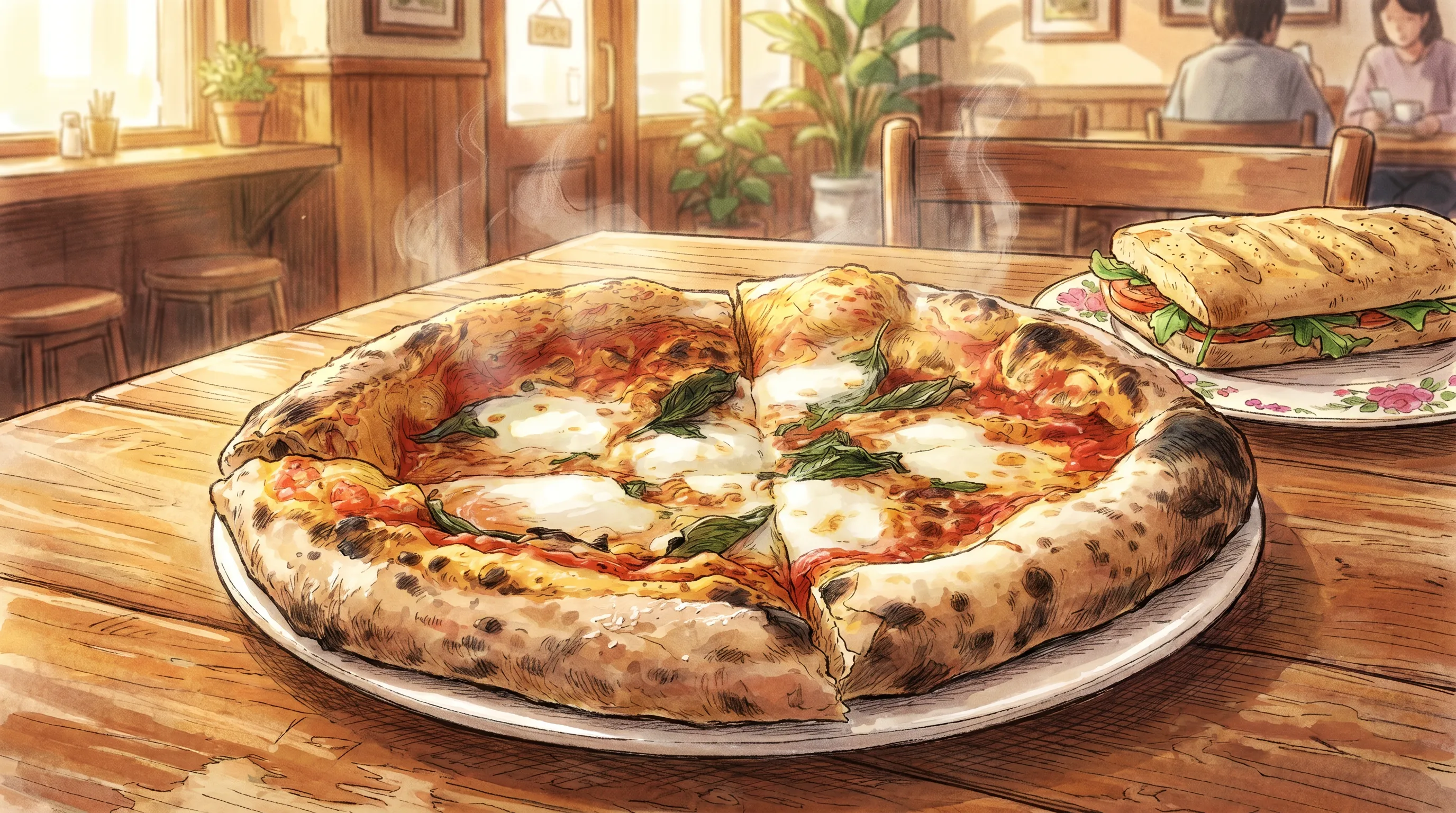
The aroma of basil in a pizza margherita combining with tomato, mozzarella, and the fermented dough to make you full yet agile is an artifact of integrated gastronomy.

Leave a Reply